
Introduction to the Application of Ball Valves in Gas Supply
2026-06-24 08:41:51
6
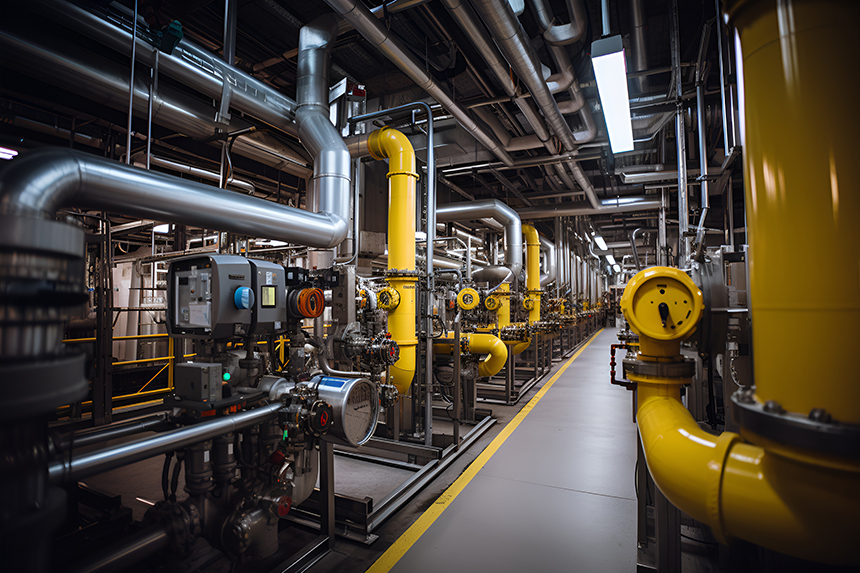
Introduction to the Application of Ball Valves in the Gas Supply Sector
Ball valves have become indispensable key control equipment in gas transmission and distribution systems, owing to their simple structure, reliable sealing, rapid opening/closing, and minimal flow resistance. They are extensively utilized in long-distance natural gas pipelines, urban gas networks, city gate stations, pressure regulating stations, and industrial user terminals. Serving critical functions such as mainline isolation, branch switching, equipment protection, and flow metering/control, ball valves are fundamental components ensuring the safety, stability, and efficiency of gas systems.
I. Primary Application Scenarios
Long-Distance Pipelines and Station Isolation
In high-pressure, large-diameter natural gas transmission pipelines, full-bore welded ball valves are widely deployed for mainline block valve service and sectionalizing. These valves feature smooth flow paths and extremely low resistance coefficients, significantly reducing transmission energy consumption. Additionally, they offer excellent sealing performance and resistance to sulfur and corrosion, making them suitable for high-pressure, low-temperature, and harsh field environments.
Urban Gas Transmission and Distribution Networks
Within urban high-pressure, sub-high-pressure, and medium-pressure gas networks, ball valves are primarily used for branch line control, district isolation, and equipment tie-ins. Their rapid actuation and low operating torque make them ideal for frequent operation and remote control, serving as vital execution units within SCADA systems and smart gas pipeline networks.
Pressure Regulating Stations and Gate Stations
As critical nodes in gas distribution, pressure regulating stations and gate stations demand high standards for valve sealing and regulation stability. Ball valves featuring metal seats or enhanced sealing structures are commonly employed for emergency shutdown (ESD) at station inlets, outlet control, and integration with pressure regulators. This ensures the rapid and reliable interruption of gas flow in cases of overpressure or system failure.
Industrial and Commercial End-Users
In gas intake systems for power plants, steel mills, chemical parks, and large commercial complexes, ball valves are utilized to control fuel lines for boilers, heating furnaces, and gas turbines. They meet the operational demands of high-temperature, high-pressure environments, frequent cycling, and long-term maintenance-free service.
II. Technical Features of Gas Ball Valves
High-Reliability Sealing
These valves commonly adopt a dual-seal structure combining metal hard seals with auxiliary elastic seals. Certain advanced models are equipped with double piston effect (DPE) seats to ensure superior sealing performance despite fluctuations in differential pressure, temperature variations, and material aging.
Fire-Safe and Anti-Static Design
Designed in compliance with fire safety standards such as API 607 and API 6FA, these valves incorporate electrostatic discharge devices between the stem and the ball to prevent spark generation caused by static buildup, thereby meeting explosion-proof safety requirements for gas service.
Emergency Shutoff Function (ESD)
Configurable with pneumatic or electric actuators, these valves support Emergency Shutdown (ESD) capabilities, enabling millisecond-level rapid shutoff upon detection of leakage, overpressure, or fire signals.
Corrosion and Sour Service Resistance
For natural gas containing corrosive media such as hydrogen sulfide (H₂S) and carbon dioxide (CO₂), the valves utilize sour-service stainless steel, surface hardening treatments, and specialized sealing materials to extend service life.